Deutschlandticket Guide: €63 a Month for All Local Transport in Germany
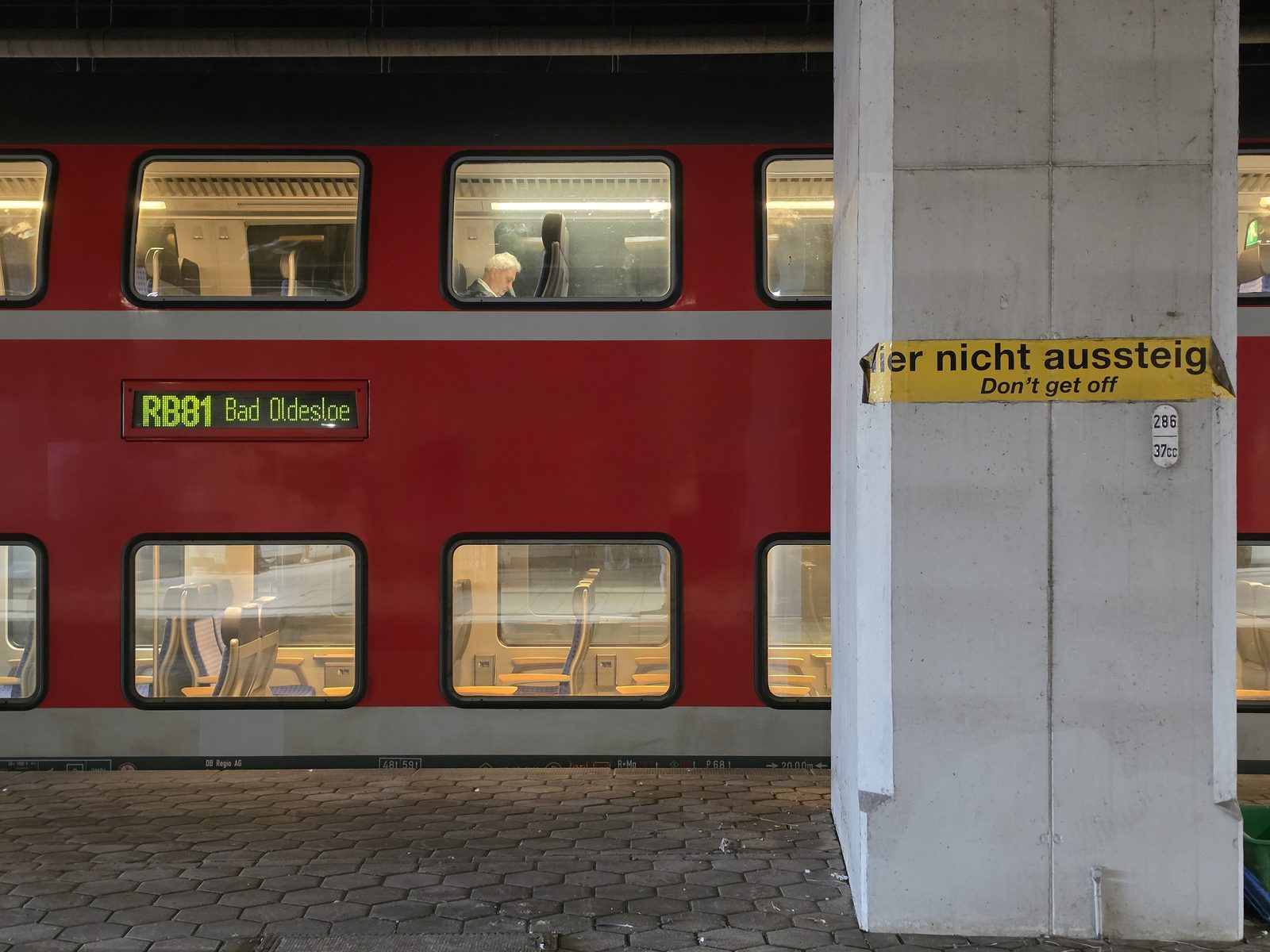
The Deutschlandticket is Germany's nationwide local-transport pass: one monthly ticket that works on buses, trams, underground and regional trains in every German city and region. It costs €63 per month in 2026, and it is announced to rise to €66.80 per month from 1 January 2027. For anyone who commutes daily, or who lives in one city and regularly visits others, it is usually the cheapest way to travel — but only if you understand what it does not cover, because the most expensive mistake with this ticket is boarding the wrong kind of train.
The key facts
- Price: €63 per month in 2026; €66.80 per month from 1 January 2027.
- Covers: all local and regional public transport nationwide — bus, tram, U-Bahn, S-Bahn and regional trains (RE, RB and similar).
- Excludes: long-distance trains — ICE, IC and EC.
- Form: a monthly subscription that renews automatically; cancel by the 10th of the month.
- Personal: the ticket belongs to one named holder and cannot be shared or transferred.
- Format: digital — mobile ticket in an app or on a chip card, depending on the provider.
The price history — and why old guides mislead you
The Deutschlandticket launched at €49 per month. It rose to €58 in January 2025, then to €63 in January 2026, and the announced price from 1 January 2027 is €66.80 per month. That history is the reason this guide states the year next to every price: a guide that simply says "€49" or "€63" without a date will be wrong within months. If you are budgeting for next year, use €66.80, not €63 — and if you are buying now, remember that the price you pay changes when the new year starts, because the subscription follows the current tariff.
| Period | Monthly price |
|---|---|
| Launch to December 2024 | €49 |
| January 2025 to December 2025 | €58 |
| January 2026 to December 2026 | €63 |
| From 1 January 2027 (announced) | €66.80 |
At €63, the ticket pays for itself quickly. A single monthly city pass in a large German city already costs a large part of that amount, and the Deutschlandticket adds every other city and every regional train in the country at no extra cost. The break-even point depends on your city, but anyone commuting five days a week by bus, tram or S-Bahn will almost always come out ahead. The honest exception is the light user: if you travel twice a week or less, compare the ticket with your city's day tickets, week tickets and multi-ride cards before subscribing.
What it covers, in detail
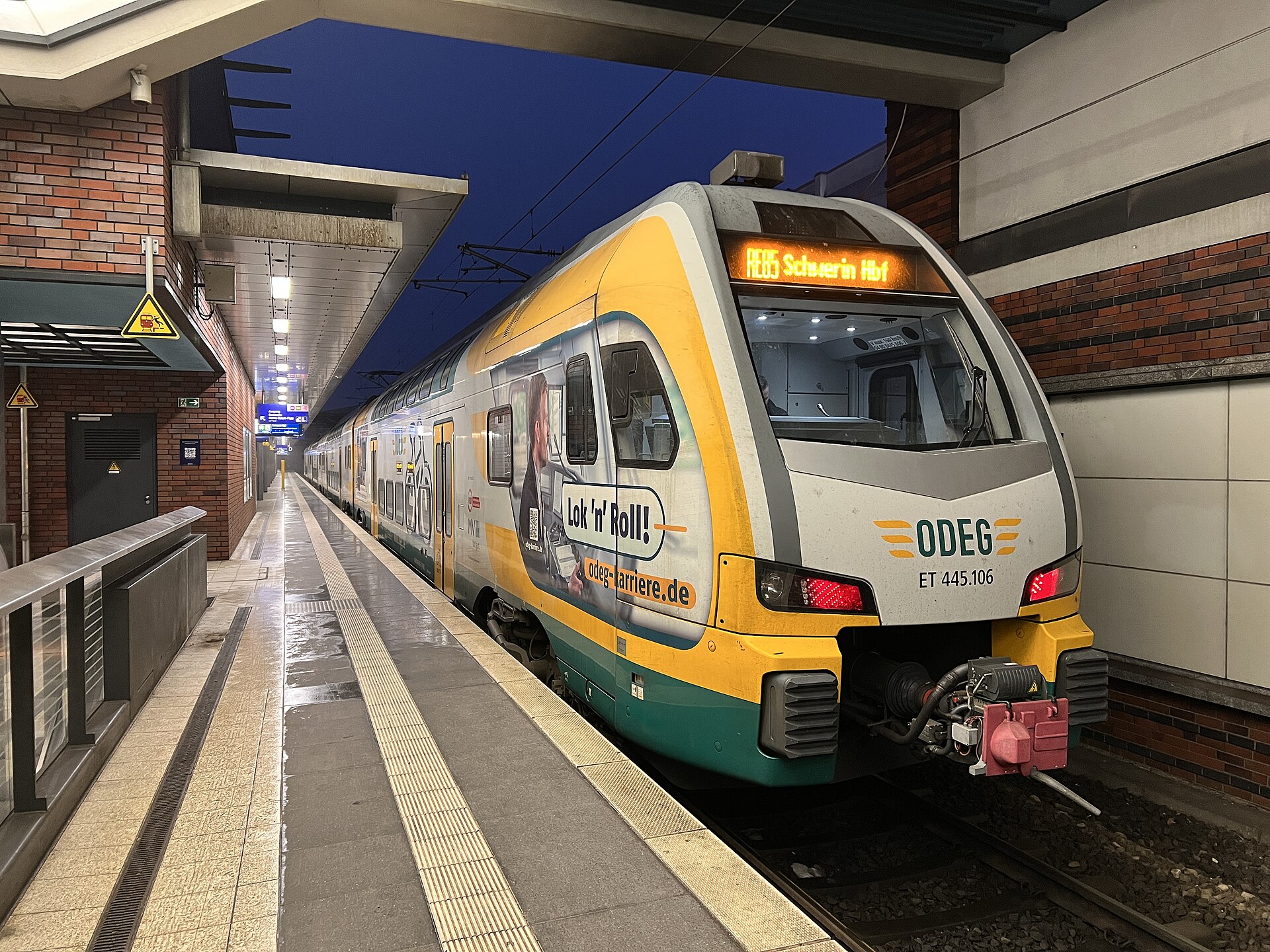
The ticket covers the whole German local and regional network. In practice that means: city buses everywhere; trams; U-Bahn (underground) and S-Bahn (suburban rail); and regional trains, which carry the labels RE (Regional-Express), RB (Regionalbahn) and similar regional service names. You can ride from Flensburg to Munich on regional trains alone with this one ticket — it will take all day, with several changes, but it is valid the whole way. Cross-border trips are a partial exception: the ticket is a German ticket, so it normally ends at the border, although some border-area services accept it a short way into a neighbouring country under local agreements. Check the specific route before you rely on it.
Night buses and other local services run by the local transport associations are included as part of local transport. What matters is the service category, not the operator: if it is local or regional public transport, the ticket is valid; if it is long-distance, it is not.
What it does NOT cover — read this before you board
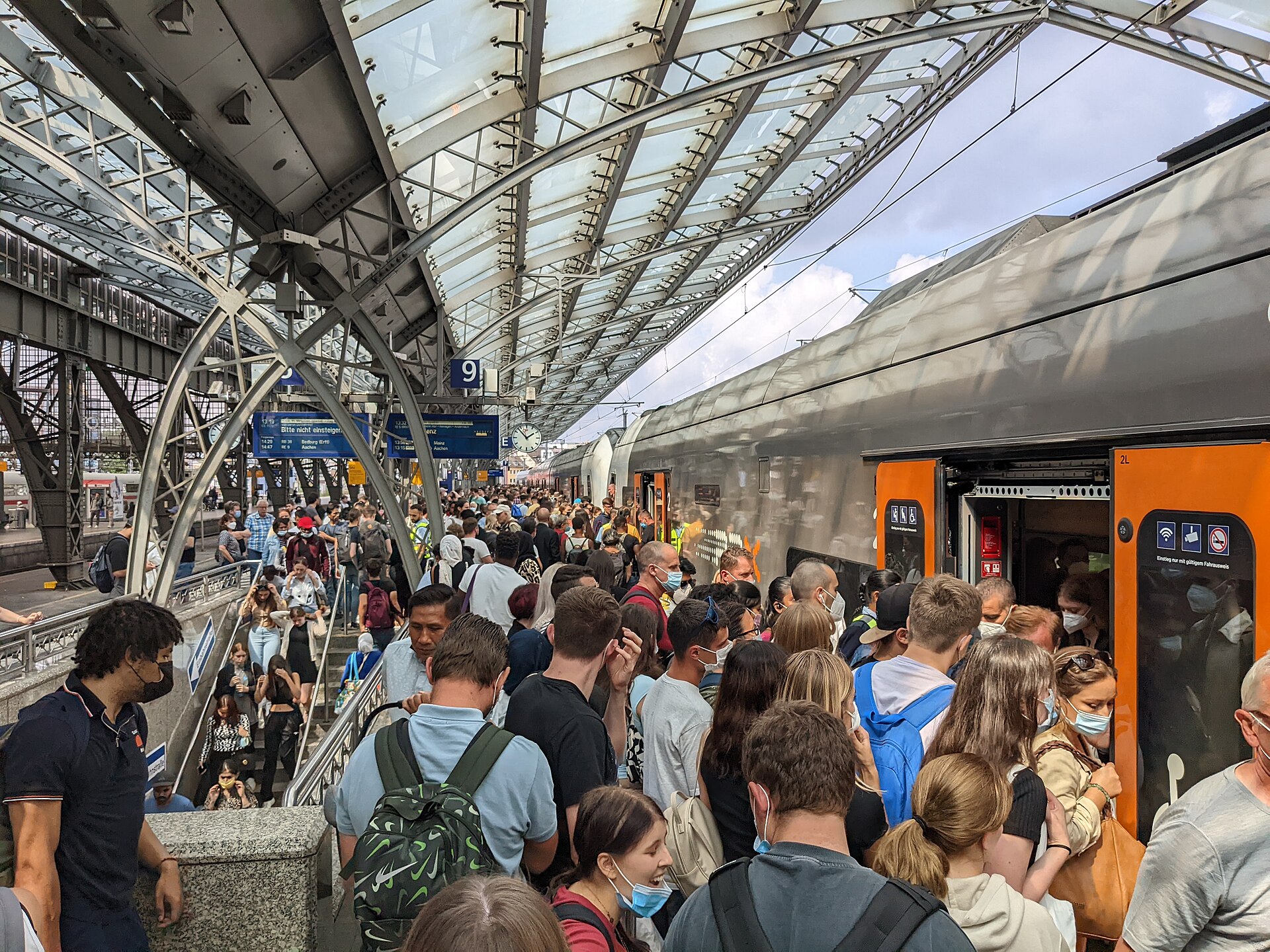
The exclusion that catches people out is long-distance rail: ICE, IC and EC trains are not covered. These are the fast white intercity trains, and they require their own tickets. Boarding an ICE with only a Deutschlandticket means travelling without a valid ticket, and inspectors fine that the same way as any fare evasion. The visual rule of thumb helps: if the train is long, white and fast with a restaurant car, it is almost certainly long-distance and excluded. If it is a red regional train, a city S-Bahn or a tram, it is covered.
Two more exclusions matter. First, the ticket is personal: it covers only the named holder, so you cannot lend it to a partner, a friend or a visiting relative, and it does not cover a bicycle or a dog — those need separate tickets under the local association's rules, which differ by region. Second, a few special services are excluded even inside cities, such as certain airport express buses or tourist lines that run outside the local tariff. When in doubt, check the local transport association's site for that city before you travel.
How the subscription and cancellation work
The Deutschlandticket is sold as a monthly subscription, not as a one-off ticket. You buy it from a transport company, a transport association, an app or, in some cases, your employer as a job ticket, and it renews automatically each month. The cancellation rule is the one date to memorise: cancel by the 10th of the month and the ticket ends at the end of that same month. Cancel on the 11th or later and you pay for one more month. Set a reminder if you buy the ticket for a fixed stay — for example, a three-month work contract — because the subscription will not stop itself when you leave.
Where you buy it matters less than keeping the cancellation channel: buy from a provider whose app or website lets you cancel online, and keep the confirmation. Some employers offer the ticket as a discounted job ticket through payroll; the discount varies by employer and is not part of the national tariff, so ask your employer rather than assuming a fixed amount. Students should also check their semester ticket first: many universities bundle a semester ticket that already includes the Deutschlandticket, and buying a second one would be double payment.
Is it worth it for you?
- Daily commuters: almost always yes. Compare your current monthly city pass with €63 (€66.80 from 2027) — the Deutschlandticket usually wins and adds nationwide travel.
- Regular regional travellers: yes. One or two regional day trips a month can already justify it.
- Occasional riders: maybe not. Two rides a week or fewer may be cheaper on day tickets or multi-ride cards.
- Short-stay visitors: only for stays of a month or more, because the ticket is monthly. For a weekend, buy local day tickets instead.
- Long-distance travellers: the ticket does not replace ICE/IC/EC tickets. Budget for those separately.
Regional-only long journeys: what a cross-country trip really looks like
Because the ticket covers regional trains nationwide, you can in principle cross Germany without ever buying a long-distance ticket — but you should know what that journey feels like before you attempt it. A regional-only trip from Hamburg to Munich, for example, means several changes, slower trains that stop at many stations, and a journey time roughly double the ICE time. The ticket is valid the whole way, and for a traveller with time and no deadline it is a legitimate way to see the country for €63. For a business trip, a tight connection or a journey with children and luggage, the time cost usually outweighs the saving, and a long-distance ticket for that leg is the better purchase.
Two practical tips make regional-only travel work. First, check the last connection of the day: regional services thin out in the evening, and a missed last change can strand you in a small station overnight, where the ticket gives you no hotel right. Second, remember that your ticket is only valid on the services it covers: if a disruption forces you onto an ICE as a replacement, the normal rule is that you need the appropriate ticket or an explicit release from the operator — do not simply board and assume the disruption excuses it. Ask station staff or the conductor before boarding a long-distance train with a regional-only ticket.
Watch out: unofficial sellers
Buy the Deutschlandticket only from a transport company, a transport association, their official app, or your employer. Websites that charge an extra "service fee" on top of the €63 tariff, or that sell you a screenshot or a copy of someone else's ticket, are not selling you a valid ticket — the ticket is personal and tied to the holder. If a deal looks cheaper than the official tariff, it is not a deal; it is a ticket that will fail an inspection.
Sources
- Deutsche Bahn — Deutschlandticket (bahn.de) — price, coverage and exclusions.
- Deutschlandticket official portal (deutschlandticket.de) — subscription terms and the announced 2027 price.
Prices and terms change by tariff decision. The provider you buy from states the binding terms for your ticket; this guide is educational only.
Frequently asked questions
How much does the Deutschlandticket cost?
The Deutschlandticket costs €63 per month in 2026. It was €49 at launch, rose to €58 in January 2025 and to €63 in January 2026, and it is announced to rise again to €66.80 per month from 1 January 2027.
What transport does the Deutschlandticket cover?
It covers all local and regional public transport across Germany: buses, trams, U-Bahn, S-Bahn and regional trains (RE, RB and similar services), in every city and region, with one ticket.
Does the Deutschlandticket cover ICE, IC and EC trains?
No. Long-distance trains — ICE, IC and EC — are excluded. The ticket is for local and regional transport only, so a long-distance leg needs a separate ticket.
Is the Deutschlandticket a subscription?
Yes. It is a monthly subscription that renews automatically. You pay every month for as long as you keep it, and you cancel by the 10th of the month to stop at the end of that month.
How do I cancel the Deutschlandticket?
Cancel by the 10th of the month through the provider you bought it from — the transport company, app or employer scheme. A cancellation made by the 10th ends the ticket at the end of that same month; a later cancellation runs one month longer.
Can tourists and newcomers buy the Deutschlandticket?
Yes. Anyone can buy it, including newcomers and visitors staying a month or more, because it is a monthly subscription rather than a residence-based benefit. For a stay shorter than a month, compare the cost with local day and week tickets first.
Is the Deutschlandticket digital only?
It is issued digitally, normally as a mobile ticket in an app or on a chip card, depending on the provider. Keep the ticket and an official photo ID with you when you travel, because inspectors check both.
Can I take a bicycle or another person on the Deutschlandticket?
No. The Deutschlandticket is personal and non-transferable: it covers only the named holder. Bicycles, dogs and accompanying adults need their own tickets under the local transport association's rules, which vary by region.