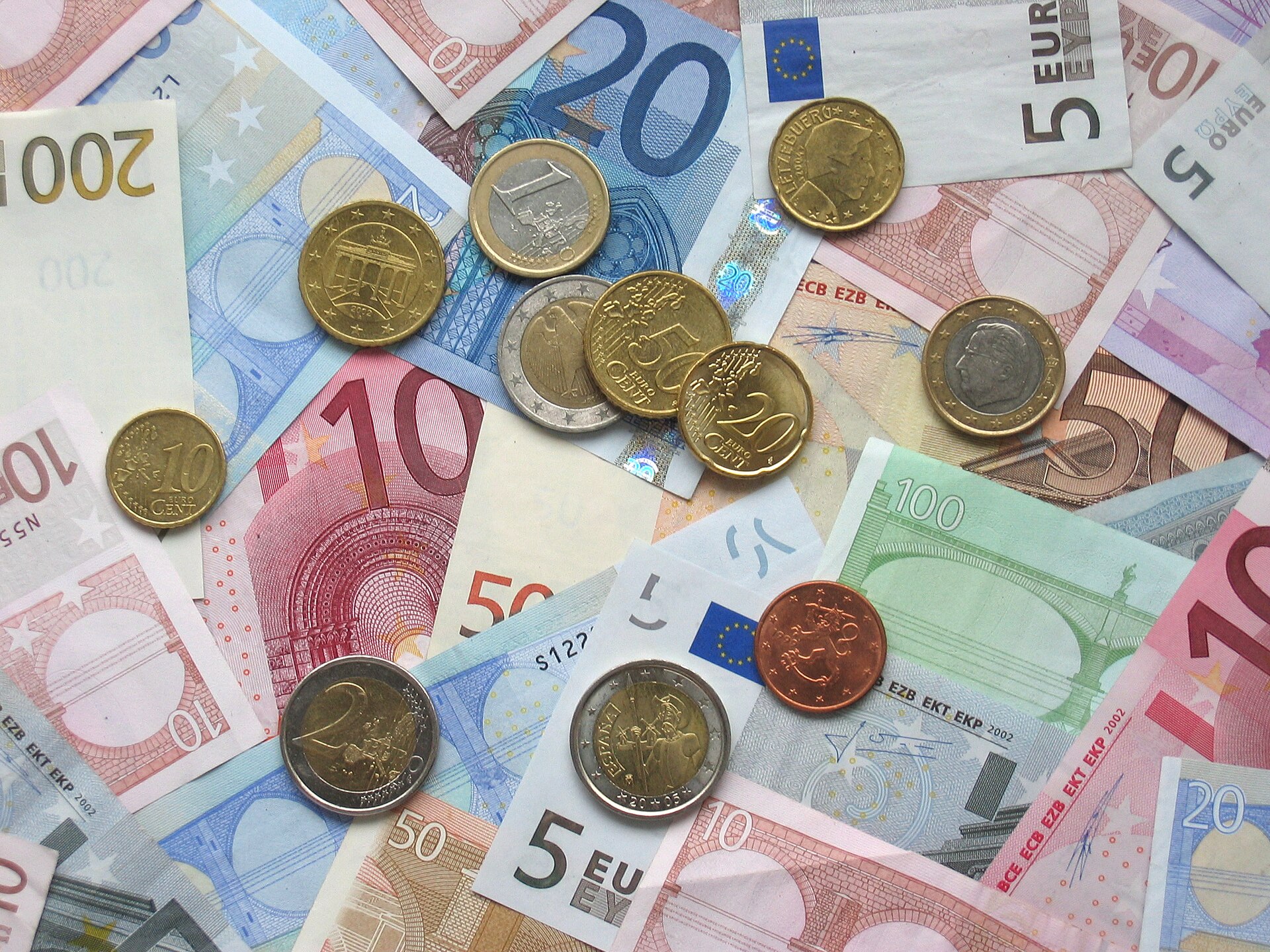
Photo: Wikimedia Commons, public domain (Avij).
Researched by the ExpatMoneyEU Team · Last updated 24 October 2026 · Data: World Bank Remittance Prices Worldwide Q3 2025 (global average 6.36%, banks 14.99%, digital-only MTOs 3.54%).
Money transfer cost calculator
The result updates instantly as you type. Replace the illustrative mid-market rate with today’s live rate (Google “EUR to BDT”) for an exact comparison. Share the link above and anyone opening it sees your exact inputs.
Illustrative figures notice: the default rate (140 BDT per €1) and the default fee/markup are illustrative examples showing the calculator’s method — they are not live quotes. Always enter the provider’s actual fee, markup and the live mid-market rate before deciding. Methodology: received = (amount − fee − intermediary fee) × mid-market rate × (1 − markup). Total cost = mid-market value − received, expressed in euros and as a percentage of the sent amount.
Worked example: sending €500 with a €4 fee and 0.5% markup
Example: €500 → 69,092.80 BDT at a total cost of €6.48 (1.30%)
Mid-market value of €500 at 140 BDT is 70,000 BDT. After the €4 fee, €496 is converted at the marked-up rate of 139.30 BDT per euro (140 × 0.995), giving 69,092.80 BDT. The family loses 907.20 BDT against the mid-market value — €6.48, or 1.30% of the sent amount. Try it live in the calculator above: it is pre-filled with exactly this example.
→ Cheapest Way to Send Money Germany to Bangladesh — Oct 2026
What is the true cost of a money transfer?
The true cost of a money transfer has two parts, and most senders only see one. The transfer fee is the visible flat amount on your receipt. The FX markup is the invisible gap between the exchange rate you are given and the real mid-market rate — and on many corridors it costs more than the fee. Add intermediary or receiving-bank deductions (a third, rarer cost) and you have the full price. This calculator adds all three and shows the only number that matters: how much your family actually receives, and what percentage of your money the transfer consumed.
Why this matters: the numbers
The World Bank’s Remittance Prices Worldwide survey put the global average cost of sending $200 at 6.36% in Q3 2025 — with banks the most expensive channel at 14.99% and digital-only money transfer operators at 3.54%. The UN Sustainable Development Goal target 10.c aims to bring average costs below 3% by 2030. On a €500 monthly transfer, the gap between a bank wire and a digital operator can exceed €40 a month — nearly €500 a year. That is why the fee alone is never the right comparison.
→ Wise vs Remitly EUR→BDT — October 2026 Transfer Guide
How to use it in 4 steps
- Enter the amount you send in euros — the figure leaving your account.
- Enter the provider’s fee exactly as shown at checkout, plus any intermediary or receiving fee if the provider discloses one.
- Enter the FX markup: compare the provider’s rate with the live mid-market rate (Google “EUR to BDT”). Markup % = (mid-market rate − provider rate) ÷ mid-market rate × 100. If the provider uses the mid-market rate, enter 0.
- Read the result and compare: run the same amount through each provider’s fee and markup. The provider delivering the most BDT wins — then use “Copy link to this result” to save or share your comparison.
→ Cheapest Way to Send Money Germany to Pakistan — Transfer Guide
The formula, with every variable explained
Received = (amount − fee − intermediary fee) × mid-market rate × (1 − markup).
Amount is what you send in euros. Fee is the provider’s flat charge. Intermediary fee covers correspondent-bank or receiving-bank deductions, where they apply (often €0 for digital operators, sometimes €10–25 for wires). Mid-market rate is the real exchange rate with no markup — the Google rate. Markup is the provider’s percentage cut of the rate, entered as a percentage. Total cost = (amount × mid-market rate − received) converted back to euros, and shown as a percentage of the sent amount so providers compare fairly at any amount.
→ Best Money Transfer in Europe — October 2026 Guide
Comparison: the same €500 through three typical profiles
| Profile (illustrative) | Fee | FX markup | Total cost | Family receives |
|---|
Profiles are illustrative examples at your entered amount and rate — they show the calculator’s method, not live quotes. Digital operators typically combine a small fee with a small markup; bank wires combine a large fee with a large markup; cash agents sit in between. Enter each real provider’s numbers above for an exact comparison.
Affiliate disclosure: the button below may earn us a commission at no extra cost to you — see our affiliate disclosure.
Cheapest for bank deposits — check the live Wise rate:
Open Wise Account →→ Wise vs Remitly EUR→BDT — October 2026 Transfer Guide
Sources, methodology and disclaimer
Sources & methodology
Sources: World Bank Remittance Prices Worldwide Q3 2025 (global average cost 6.36% for a $200 transfer; banks 14.99%; digital-only money transfer operators 3.54%); UN Sustainable Development Goal target 10.c (sub-3% average costs by 2030). Method: received = (amount − fee − intermediary fee) × mid-market rate × (1 − markup); total cost = mid-market value − received. Illustrative figures: default inputs and profile rows are examples of the method, not quotes. Disclaimer: estimate only — not financial advice. Live fees, rates and limits change daily; verify the final received amount on the provider’s checkout screen before sending.
→ Cheapest Way to Send Money Germany to Bangladesh — Oct 2026
You may also need
- Wise vs Remitly EUR→BDT — cheapest transfers to Bangladesh
- Cheapest way to send money from Germany to Bangladesh — October 2026 transfer guide
- Cheapest way to send money from Germany to Pakistan — transfer guide
→ Best Bank Account for Bangladeshis in Germany — Oct 2026
Affiliate disclosure: the button below may earn us a commission at no extra cost to you — see our affiliate disclosure.
Start with the cheapest bank-deposit route:
Open Wise Account →