The short answer: what a New Year trip really costs
ExpatMoneyEU verdict: New York at New Year is expensive everywhere except midnight itself — the Times Square pens are free, which is rare among big-city celebrations. Book the room and the flight early, consider staying outside Midtown, and spend the saving on a warm venue or a good meal instead of a taxi at midnight.
Where the money actually goes
A New Year trip to New York has five big cost buckets, and they peak together. The first is the hotel, where rooms in Manhattan over the nights around 31 December surge sharply, and the closer you stay to Times Square, the steeper the surge. The second is the flight into the city, which also peaks on the days everyone wants to travel. The third is food and drink, because many Midtown restaurants and bars sell set packages on New Year's Eve, and a normal walk-in dinner near Times Square on the night itself is hard to find. The fourth is the midnight itself — and here New York is unusually kind to the budget: the public viewing areas for the Times Square ball drop are free and fill on a first-come, first-served basis, with no tickets for the general street viewing zones. The fifth is getting around and getting home, which is mostly a normal subway cost with a New Year twist: streets close around Times Square, nearby stations are affected, and the subway is packed after midnight. The trip rewards the same habit as every big New Year city: book the hotel and the flight early, and build everything else around those two fixed points.
It helps to think of the trip in two layers. The first layer is everything you must lock in before you travel: a room, a way into the city, and a decision about how you will spend midnight — in the Times Square pens, at a party or restaurant, or watching from somewhere warm. The second layer is everything you can decide once you are there: which neighbourhoods to explore, where to eat on the surrounding days, and how to spend New Year's Day. The first layer is where the surge lives. The second layer is where careful daily choices keep the trip affordable: a big lunch instead of a big dinner, a neighbourhood restaurant in Brooklyn or Queens instead of a Midtown table on the night itself, and the city's many free pleasures — a walk in Central Park, the Staten Island Ferry, window displays — instead of another paid attraction. New York is an expensive city, but it is also a city with a generous free layer, and New Year is a good time to use it.
Hotels: the biggest surge, and how to soften it
Hotel prices over New Year in New York surge sharply, and the surge is steepest in Midtown Manhattan and for the night of 31 December itself. The two levers that matter most are timing and location. Booking early is the first lever: rooms released months ahead are generally far cheaper than the same rooms sold in December, and the best-value Manhattan rooms are usually the first to go. Location is the second lever, and in New York it is a powerful one: staying in Brooklyn, Queens or even Jersey City, a short subway or PATH ride from Manhattan, often costs noticeably less than staying in Midtown, and the neighbourhoods themselves give you a better trip — better local restaurants, quieter streets, and a real New Year's Eve of your own before or after the midnight moment. Just check the journey: a cheap room at the end of a long, awkward commute is not a bargain on a freezing night.
Watch for the extras that turn a headline rate into a much bigger bill. New York hotel bills commonly add taxes and fees on top of the nightly rate, and some properties add resort-style or destination fees that only appear at checkout. Compare the final total, not the nightly headline, and compare like with like: a room that includes breakfast and free cancellation is not the same product as a room-only, non-refundable rate. Read the cancellation terms before you book, and check minimum-stay rules over the New Year period — some hotels require several nights. If you are travelling as a group, compare a vacation rental or apartment with two hotel rooms: for three or more people, an apartment often works out better value, gives you a kitchen for breakfast, and gives the group somewhere to gather before heading out. Keep a confirmation showing the total you agreed to, so there is no argument at checkout.
One more hotel trap is worth naming. Some listings raise their prices sharply for the New Year dates while looking ordinary at first glance. If a price looks too good for 31 December in Manhattan, check what is actually included, where the property really is, and what previous guests say about surprise charges. If your budget is tight, consider arriving a day or two early or leaving a day later: the nights just before and just after the peak are usually much gentler on the wallet, and New York in the last days of December is festive well before the 31st, with lights, markets and ice rinks already in full swing.
Flights and airports: JFK, LaGuardia and Newark
Flights into New York over New Year surge just like hotels, and the peak days are the ones everyone wants: flying in on 30 or 31 December and flying home on 1 or 2 January. If your dates can move, shifting by even a day or two on either side can soften the fare considerably. New York has three major airports — JFK, LaGuardia and Newark — and the cheapest flight is not always the cheapest trip: price the whole journey door to door, including the transfer into Manhattan and the time it takes. JFK connects to the subway via the AirTrain at Howard Beach, LaGuardia is the closest to Manhattan by road but has no rail link, and Newark connects via rail into Penn Station. A low fare into a distant airport plus an expensive taxi can cost more than a slightly dearer flight into an airport with a cheap rail link, so compare the full journey before you decide.
Leave generous margins on 31 December itself. Winter weather can disrupt flights, and a delay on New Year's Eve can cascade into a missed hotel night or a missed midnight plan. Travel insurance that covers delays and missed connections is worth having for this trip in particular. If you are arriving on the 31st, aim to land with hours to spare, not minutes: you need time to reach your hotel, freshen up, eat, and get into position for midnight. And if you are flying home on 1 January, remember that the city wakes up slowly — allow extra time for the journey to the airport, and check your airline's guidance the night before rather than assuming a normal schedule.

Midnight itself: the Times Square ball drop, free pens and warm alternatives
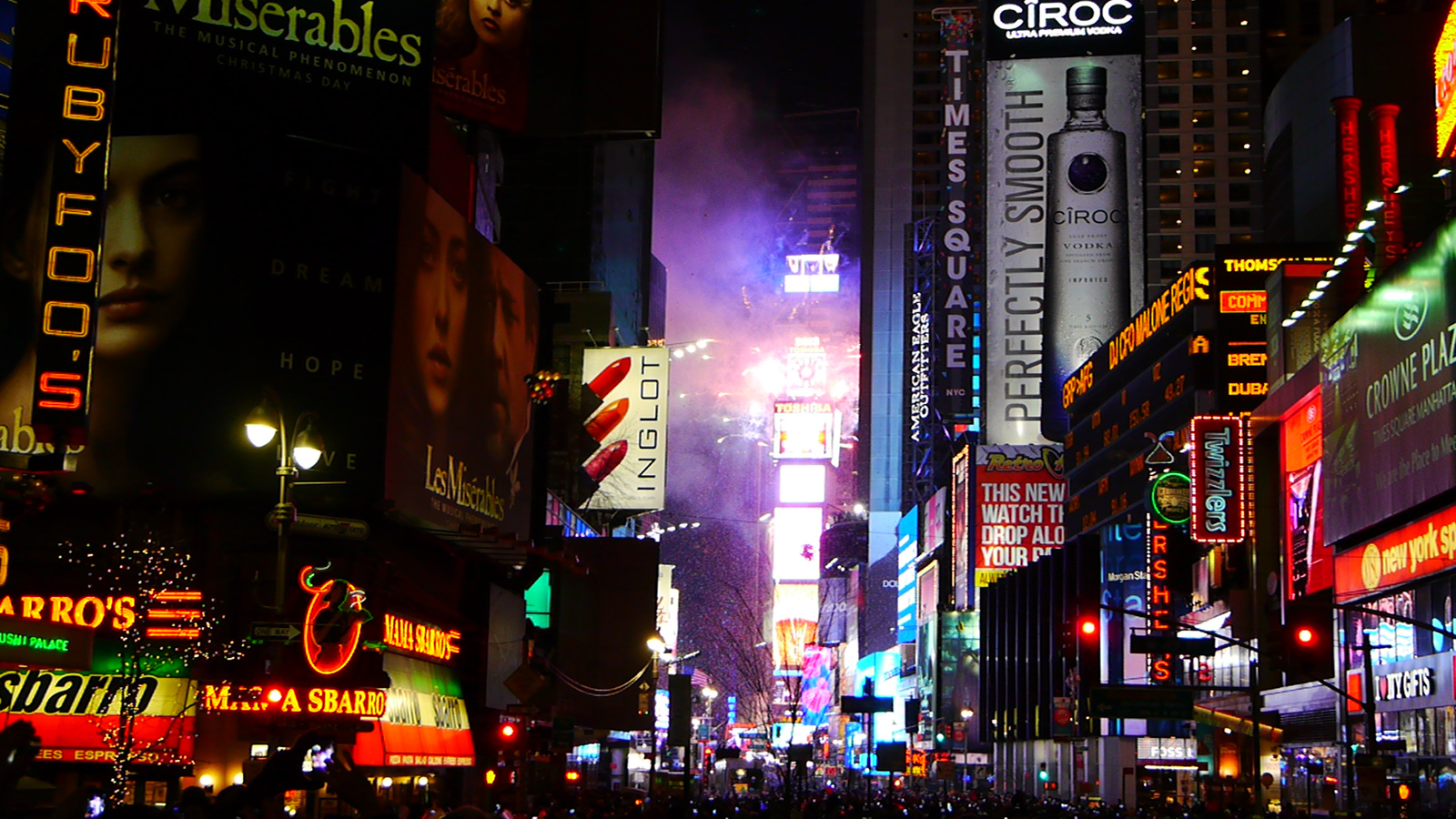
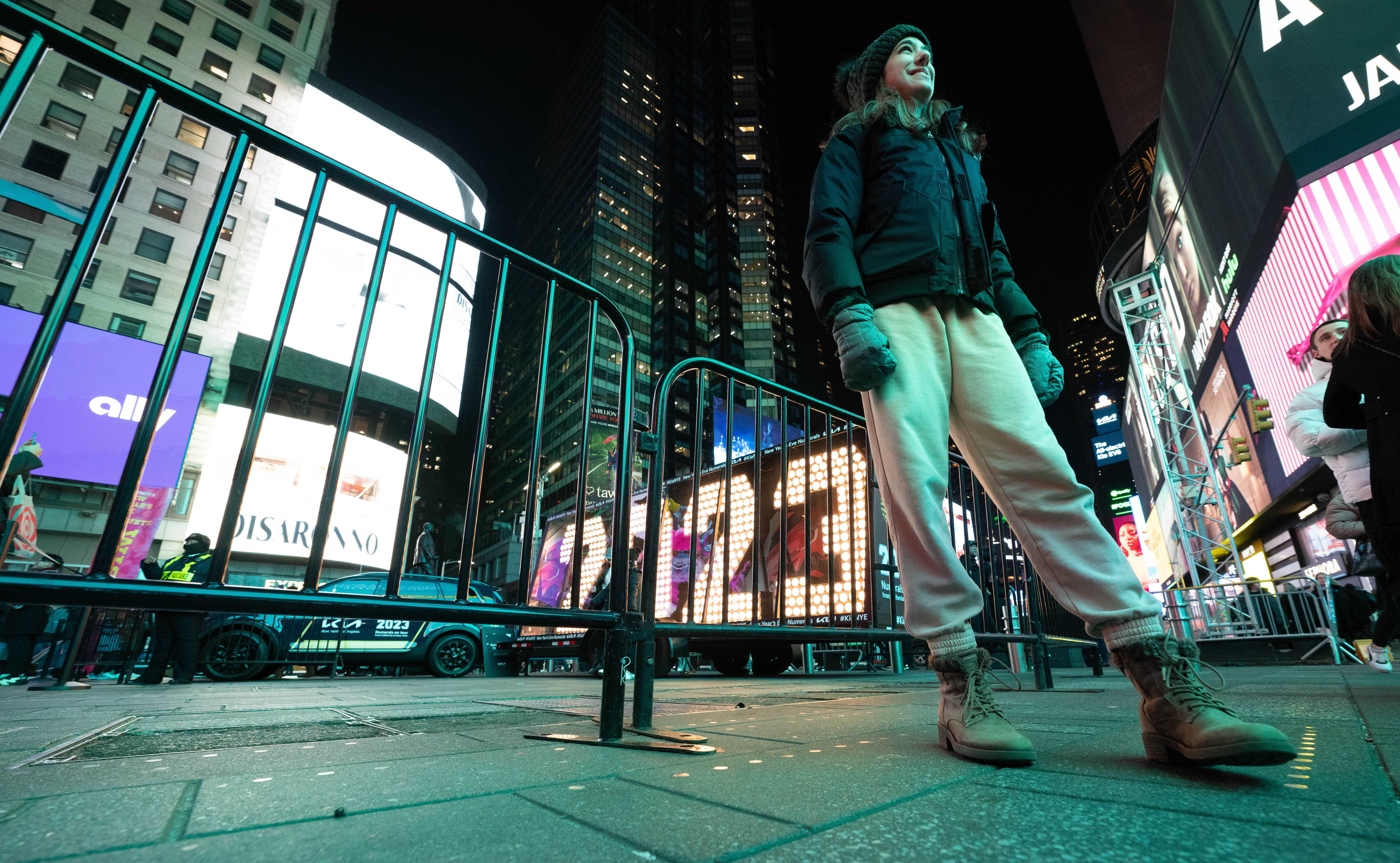
The Times Square ball drop is the centrepiece of New York's New Year. The ball makes its descent in the final minute before midnight, dropping from atop One Times Square as the crowd counts down, and the street viewing areas are free: according to the Times Square Alliance's own New Year's Eve guidance, the viewing pens fill on a first-come, first-served basis, and there are no tickets for the general street viewing zones. Anyone trying to sell you a ticket for a general viewing pen is running a scam — that is worth knowing, because it is the single most common New Year money trap in the city. The price of the free experience is time and endurance: viewing areas open in the afternoon, you will stand for hours in the cold, and once you are in a pen, leaving usually means losing your place. Bags, backpacks, umbrellas, folding chairs and alcohol are not allowed inside, and there are no portable restrooms or licensed food vendors in the pens, so you go in prepared or not at all.
That is why many visitors choose a warm alternative, and there is no shame in it. A rooftop bar or restaurant with a view, a neighbourhood party in Brooklyn or Queens, a hotel room with a television, or a friend's apartment all give you the countdown without the hours in the cold. The catch is cost: many Midtown venues sell set packages on New Year's Eve, and those packages are where the night gets expensive. If you go this route, book early, confirm exactly what the package includes — entry, food, drinks, a view of the ball or just a television — and confirm the total price including taxes and tips before you pay a deposit. A venue that promises a ball view but delivers a television is a common disappointment, so ask directly and get the answer in writing. For families and for anyone who dislikes crowds, the warm option is usually the better night, and the money is better spent there than on a pen you leave after an hour.
Whatever you choose, plan the evening as a whole. Eat a proper meal before you go out, dress for standing in winter weather — warm layers, a hat, gloves, comfortable shoes — and agree a meeting point with your group in case phones fail in the crowd. If you are in the pens, bring only what is allowed, keep valuables close, and know how you will get home afterwards before you go in. If you are at a venue, confirm the end time and whether you can stay past midnight or will be turned out into the cold with a million other people. And if you are travelling with children, think carefully: the pens mean hours of standing in the cold with no restrooms, and a warm room with the broadcast is a perfectly good New Year that costs nothing extra.
Getting around and getting home after midnight
The New York subway runs around the clock every day of the year, which makes it the natural way to get around at New Year — but New Year's Eve itself is a special operation, and the details change every year. The Metropolitan Transportation Authority publishes a holiday service plan for New Year's Eve and New Year's Day, and the 2026–27 plan had not been announced at the time of checking, so the only safe advice is to check the MTA's own service pages in the week before you travel. In past years the pattern has been increased service on many lines through the evening and after midnight, a Sunday schedule on New Year's Day, and station closures or skipped stops around Times Square during the celebration, with some Midtown entrances closed and walking routes changed. Expect the subway to be packed after midnight, consider walking a few blocks away from Times Square before boarding, and allow much more time than usual for any journey through Midtown.
Do not plan to drive in Manhattan on New Year's Eve. Streets around Times Square close, parking is scarce and expensive, and a car is a liability in a celebrating crowd. Yellow cabs and ride-hailing cars are available but demand after midnight is enormous, so expect long waits and surge pricing, and agree your plan before midnight rather than improvising at half past twelve. If you are staying outside Manhattan, check the last connections home before you go out: commuter rail and PATH services run reduced or altered schedules on the night, and a missed last train is an expensive taxi ride. For New Year's Day itself, expect a Sunday-style service on the subway and reduced schedules elsewhere, and check before you set out rather than assuming your usual route is running.
Paying in dollars: cards, cash and exchange
New York is a card-friendly city, and a contactless card or phone payment works in most restaurants, shops and taxis, and on the subway through the OMNY system. You still want a small amount of cash for tips, market stalls and the odd cash-only spot, but you do not need to carry large amounts of dollars. The expensive mistake is exchanging money at the airport or at a high-street bureau on arrival, where rates and fees are at their worst. A multi-currency account that lets you hold dollars and spend with a card at a fair exchange rate is usually the cheapest way to pay, and it also makes it easy to split costs with travel companions. Set up the account before you leave, not at the airport.
Two more money habits pay for themselves. First, always choose to pay in dollars when a card machine offers you a choice: paying in your home currency at the till usually means a poor exchange rate chosen by the merchant's bank, not yours. Second, budget for tipping, because it is a real cost in New York that visitors often forget: restaurants, bars, taxis and hotel services all expect tips, and on a multi-day trip the total is significant. Build it into your daily budget rather than treating it as an afterthought. Finally, keep a daily spending buffer. New Year trips leak money in small ways — a round of drinks here, a taxi there, a cover charge you did not expect — and a buffer stops those leaks from becoming a problem. Check your banking app each morning and you will know by 1 January whether you are on plan or need a quieter day.
A three-night New Year plan that keeps costs under control
Here is a shape that works well for a first New Year trip. Arrive on 30 December, not the 31st: fares and hotel pressure are usually lower, you get a full day to settle in, and you can scout your midnight plan in daylight. Spend 30 December on the free and festive side of the city — a walk in Central Park, the holiday windows, a free ferry ride past the Statue of Liberty — and eat in a neighbourhood restaurant rather than a Midtown table. On 31 December, keep the daytime gentle, eat a proper late lunch, rest in the afternoon, and head out in the early evening with warm clothes and a full phone battery. If you are going into the Times Square pens, go early and go prepared; if you have a venue, arrive on time and confirm your booking on arrival. After midnight, walk a few blocks away from Times Square before trying to board the subway, or wait somewhere warm until the crush passes. On 1 January, sleep late, take a slow brunch, and enjoy a park walk or a museum if you have the energy; treat it as a recovery day rather than a sightseeing day. Leave on 2 January if you can, when the city is calmer and fares have softened.
The deeper point is that New York at New Year rewards the visitor who plans the expensive parts early and improvises the cheap parts freely. Book the room, the flight and the midnight plan months ahead. Leave the days themselves open, and let the city surprise you. That is also how you keep the trip feeling like a celebration rather than an exercise in queueing and paying. New York is at its best when you have somewhere warm to go, someone good to be with, and no bill you did not expect — and all three of those are easier to arrange in advance than at midnight in Times Square.
Sources and how this guide was written
Transport and event claims in this guide were checked during writing against the Times Square Alliance's New Year's Eve guidance (street viewing pens free and first-come, first-served; no tickets for general viewing zones; ball descent in the final minute before midnight; prohibited items and no restrooms or vendors in the pens), the Metropolitan Transportation Authority's holiday service pages (subway runs around the clock; past-year pattern of increased evening and after-midnight service, Sunday schedule on New Year's Day, and Times Square-area station changes; the 2026–27 plan not yet announced at checking, so verify in the week before travel), and general airport guidance for JFK, LaGuardia and Newark. Hotel, flight and restaurant prices are deliberately described qualitatively, not with figures, because New Year prices surge sharply and change constantly: any specific figure printed here would be out of date before you read it. Check live prices at booking time, compare final totals including taxes and fees, and treat this guide as a planning framework, not a price list.
Affiliate disclosure: some links below are affiliate links — if you open an account or buy cover through them, ExpatMoneyEU may earn a commission at no extra cost to you. See our affiliate disclosure for details.
Money tools for this trip
Hold and spend in the local currency without airport-exchange markups, and cover the trip itself before you fly.