 ExpatMoneyEU
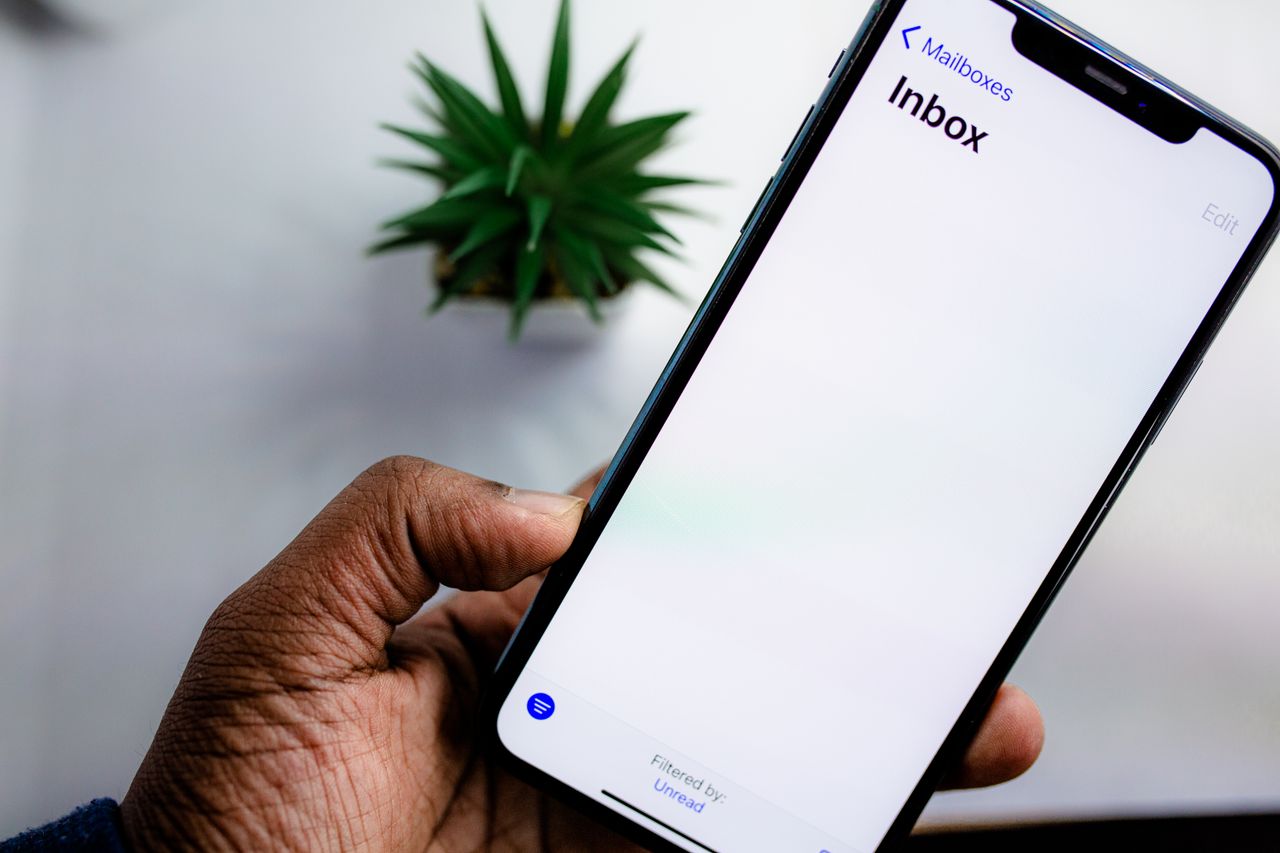
The short answer: a temporary email address is a real mailbox that lives for 60 minutes and then disappears. Use it for the one-time signups that come with moving abroad — portals, trials, downloads, wifi logins — and keep your real address for banking, government services, and anything you must be able to recover. Temp Mail Treasure, our sister site, gives you one instantly, with no signup.
| Use it for | Never use it for |
|---|---|
| One-time signups, portals, trials, downloads, wifi logins | Banking |
| Anything that expires with the mailbox | Government services |
| A mailbox that lives 60 minutes, then disappears | Anything you must be able to recover |
Important limits. A temporary address expires after 60 minutes with no extension, it cannot send mail, and its inbox is public — anyone who knows the address can read it. Never use one for banking, money apps, government or immigration accounts, password resets, or any account you cannot afford to lose. This page is general information about a free tool, not professional advice.
Moving abroad is an administrative marathon. In the first weeks you open accounts everywhere: electricity, internet, a mobile contract, a bank, a gym, apartment portals, transport apps, local shops, and a dozen newsletters you never meant to join. Each one asks for an email address, and each one can keep mailing you for years. Your real inbox pays the price long after the move is over.
A temporary email address solves the one-time half of that problem. It is a real, working mailbox with a short life: you use it once, and then it disappears, taking the future spam with it. This guide explains how expats can use one well — and the hard lines that must never be crossed.
What a temporary email is
Temp Mail Treasure is our sister site: a free temporary email service. Open the page and a working disposable address is ready instantly — no signup, no password, nothing to install. Mail arrives automatically, the inbox checks for new mail every 12 seconds, and messages are shown as text only. The address expires after 60 minutes, with no extension, and nothing is stored on the site's side: your address and session token live only in the browser tab.
Mail is received by Guerrilla Mail through its public API, using Guerrilla Mail domains. Temp Mail Treasure is an independent frontend, not run by or affiliated with Guerrilla Mail or Temp-Mail.org. The service is receive-only: sending is disabled on purpose, because disposable services that allow sending get used for spam and their domains get blocklisted until they stop working for everyone.
Where expats meet signup spam
The first month abroad is the worst. These are the signups that most often turn into long-term inbox noise — and the ones a temporary address handles best:
- Apartment and property portals. Browsing listings usually means an account, and portals mail new listings for months after you have signed a lease.
- Utility and service comparisons. Checking electricity, internet, or insurance prices often means an email gate before you see a quote.
- Gyms, classes, and local clubs. Trial passes and timetables that ask for an address before showing you anything.
- Wifi and guest portals. Cafes, coworking spaces, hotels, and conferences that want an email before letting you online.
- One-time downloads. Relocation checklists, city guides, and expat ebooks gated behind a form.
- Newsletters you want to sample. A local news digest or neighbourhood group you want to try once before committing your real address.
The rule is the same every time: if you need the account for a few minutes and never again, the temporary address is the right tool. If you might need it next month — a bank, a tax portal, a landlord — use your real email.
How to use it abroad
Using a temporary address takes less than a minute, and the routine is worth getting right:
- Open the page first. Your address is already there. Copy it before you start the signup.
- Paste it into the form. Then ask for the confirmation mail straight away — do not wait until the end of the hour.
- Keep the tab open. The inbox refreshes automatically. Refreshing the page creates a brand-new address and the old one is not restored, so finish the job before refreshing.
- Read messages as text. Links are shown as text and are not clickable. Check any link's destination before opening it, exactly as you would with any unexpected email.
- Close the tab when done. The address expires on its own after 60 minutes anyway; closing the tab removes everything from your side immediately.
You can also change the name part of the address — the bit before the @ — if you want something easier to recognise while you wait.
What it protects
The benefit is not just a quieter inbox. Every throwaway signup that goes to a temporary address is one less database holding your real address, one less password to create and remember, and one less account that can leak your details in a breach you will never hear about. For expats, who hand their address to more new services in one month than most people do in a year, that adds up fast.
It also keeps your important mail findable. When your real inbox carries only mail you actually want — your bank, your employer, your landlord, your family — the important message does not drown in portal newsletters and trial reminders. That is a practical benefit, not just a tidy one: missed mail from a bank or an immigration office can cost real money and real time.
When never to use it
The limits are hard rules, and they matter more abroad, where the accounts at stake include the ones your life in the new country runs on:
- Banking and money apps. Banks send security codes and statements to your registered email. A 60-minute address guarantees you lose access.
- Government and immigration services. Residence permits, tax portals, and appointment systems send decisions and deadlines you cannot afford to miss.
- Password resets. Any account whose recovery runs through email must use an address you control permanently.
- Employment and housing contracts. Job applications, contracts, and landlord correspondence need a stable address that works for months.
- Anything with money attached. If losing the account would cost you money, time, or legal standing, the temporary address is the wrong tool.
Remember also that the inbox is public: anyone who knows the address can read its messages. Never let anything personal, financial, or identifying arrive at a temporary address. Our sister site's guide, is temp mail safe?, covers the full safety picture.
Temporary email vs a second mailbox
Some expats keep a second mailbox for junk instead. That works well for accounts you return to: a second mailbox keeps mail, lets you reply, and is accepted everywhere. But it needs a signup, a password, and ongoing attention, and it still accumulates mail forever. A temporary address is the opposite trade: zero setup, zero maintenance, automatic deletion — and zero recovery.
Most expats end up using both: a second mailbox for the services they keep, and a temporary address for the one-time signups they will never think about again. The side-by-side comparison, temp mail vs a second email account, lays out when each one wins. And if a site refuses the temporary address outright, that is its own policy against disposable domains — the guide on why websites block disposable email explains the reasons and the legitimate alternatives.
Frequently asked questions
What is a temporary email address?
A temporary email address is a real, working mailbox with a short life. You use it once — for a signup, a confirmation, a download — and then it disappears. Temp Mail Treasure gives you one instantly, with no signup, and the address expires after 60 minutes.
Why do expats get so much signup spam?
Moving country means dozens of new accounts in a few weeks: utilities, a mobile contract, a bank, a gym, apartment portals, local services, and newsletters. Each one asks for an email address, and each one can keep mailing you forever. A temporary address takes the one-time signups so your real inbox stays quiet.
How long does a Temp Mail Treasure address last?
60 minutes, with no extension. When the time passes, the address and its messages are deleted and cannot be recovered. Ask for confirmation mail promptly, and if the address expires first, request the mail again to a fresh address.
Can I use a temporary email for my bank or immigration account?
Never. Do not use a temporary address for banking, money apps, government or immigration services, password resets, or any account you cannot afford to lose. The address expires after 60 minutes and the inbox is public, so anything important sent there would be lost or exposed.
Is a temporary email inbox private?
No. The inbox is public by design: anyone who knows the address can open the same inbox and read its messages. Use temporary addresses only for throwaway signups and downloads, never for anything personal or important.
Can I send email from a temporary address?
No. Temp Mail Treasure is receive-only on purpose. Sending is disabled because disposable services that allow sending get used for spam, and their domains get blocklisted until they stop working for everyone.
What happens if I refresh the page while waiting for mail?
Refreshing creates a brand-new address, and the old one is not restored. Your address and session live only in the browser tab, so keep the tab open while you wait for mail and close it when you are done.
Should I use a temporary email or a second mailbox?
It depends on the job. A second mailbox keeps mail, lets you reply, and works everywhere, but needs a signup and ongoing attention. A temporary address needs nothing and deletes itself after 60 minutes, which makes it right for one-time signups you will never return to — and wrong for anything you need to keep.
Sources
- Temp Mail Treasure — homepage
- Temp Mail Treasure — How it works
- Temp Mail Treasure — Privacy & safety
- Guerrilla Mail — API documentation
- Guerrilla Mail — homepage
Related guides
- Temp Mail Treasure: Temporary Email That Just Works — the full features-and-benefits post on our sister site, MixKhazana.
- What Is Temporary Email? — how a disposable inbox works behind the scenes.
- Temporary Email for Signups — the signup situations where a throwaway address helps most.
- Is Temp Mail Safe? — the full safety picture, from the service itself.